
"G4 grade"
400 article(s) found

Introduction to the method of Grinding and Calibration for describing the Flavor of Coffee Manor in Ethiopia
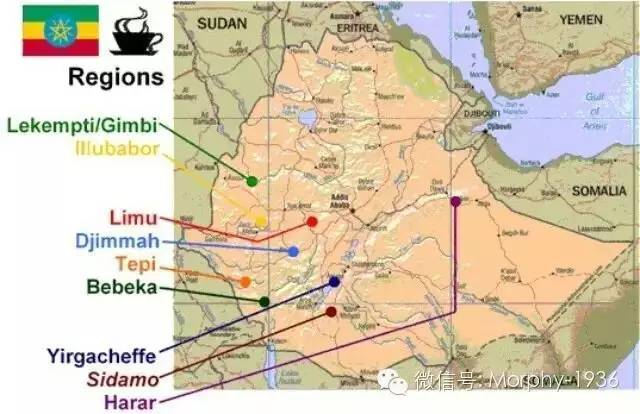
Yega Xuefei's coffee trees were planted by monks in Europe and later transferred to farmers or cooperatives. Yega Xuefei is actually constructed by the surrounding coffee communities or cooperatives, including: Hafusha, Hama, Biloya. These mountain villages are foggy, like spring all the year round, with a gentle breeze in summer, cool but not hot, rain but not damp, and unique in winter.
Introduction of boutique coffee beans Ethiopian coffee
Ethiopia is the hometown of Arabica coffee, and it is in the forests of Kaffa that you can see wild Arabica coffee. In Ethiopian, coffee is called Bun or Buna, and coffee beans (coffeebean) may be translated from Kaffa Bun. Arabica coffee was discovered early in the Harald area, probably from Kafa.

Flavor characteristics of Ethiopian Fine Coffee Ethiopian Coffee
Ethiopia is the hometown of Arabica coffee, and it is in the forests of Kaffa that you can see wild Arabica coffee. In Ethiopian, coffee is called Bun or Buna, and coffee beans (coffeebean) may be translated from Kaffa Bun. Arabica coffee was discovered early in the Harald area, probably from Kafa.

Sitama Sunburn G1 Taste Chart-Sunburn Yesha Taste
Sitama G1 Taste Chart-Sun-Sunned Yoga Sitama Taste [Sun-Sunned Sitama]: The beans are smaller than Longberry, green and yellow. In the sun-drying field of Sitama, the coffee is placed in a hemp net rack. Workers take turns to stir the coffee manually under the sun. Sun-Sunned Sitama is usually labeled as G4. The washed Sitama is finished due to the more sun-exposed processing process.

Flavor description of Ethiopian Coffee Manor introduction of High-quality Coffee beans in producing areas
In February 1977, Lieutenant Colonel Mengistu Haier Maryam (MENGISTU HAILE MARIAM) launched a military coup and served as Chairman of the interim military Administrative Council and head of State. In 1979, the Ethiopian Labor people's Party Organization Committee, dominated by soldiers, was established to implement an one-party system. In 1984, the Ethiopian Workers' Party was formed according to the Soviet Communist Party model. Mengistu, September 1987

Classification and classification of coffee beans | meaning of the name of coffee
For more information on coffee beans, please follow the coffee workshop (Wechat official account cafe_style)-- how coffee is named-- G1, G2, G3, G4, AA, PB, SHB, SHG, EP, PLANTATION. Have you ever wondered what the difference is? Are you curious about what they are referring to? Today we are going to start talking about what we usually buy
Introduction to Ethiopian Coffee, the hometown of Arabica Coffee
Ethiopia is the hometown of Arabica coffee, and it is in the forests of Kaffa that you can see wild Arabica coffee. In Ethiopian, coffee is called Bun or Buna, and coffee beans (coffeebean) may be translated from Kaffa Bun. Arabica coffee was discovered early in the Harald area, probably from Kafa.

Unique Ethiopian Coffee Manor Fine Coffee Bean cultivation Geographic location Climate Sea
In many cases, level 4 coffee is marked as level 5 in order to reduce taxes. The current classification is not uniform and messy, because there are also first-and second-tier (Grand G2) Yirga Cheffe processed by tanning, but the highest level of Harald (Harar) is level four (G4). The coffee-producing areas of Ethiopia are Sidamo, Harald and Yegashafi (

Ethiopian Coffee introduction Coffee beans Coffee processing Coffee Flavor Ethiopian Coffee details
Ethiopia is the hometown of Arabica coffee, and it is in the forests of Kaffa that you can see wild Arabica coffee. In Ethiopian, coffee is called Bun or Buna, and coffee beans (coffeebean) may be translated from Kaffa Bun. Arabica coffee was discovered early in the Harald area, probably from Kafa.

Ethiopian boutique coffee introduces boutique coffee beans characteristics of Ethiopian boutique coffee
Ethiopia is the hometown of Arabica coffee, and it is in the forests of Kaffa that you can see wild Arabica coffee. In Ethiopian, coffee is called Bun or Buna, and coffee beans (coffeebean) may be translated from Kaffa Bun. Arabica coffee was discovered early in the Harald area, probably from Kafa.

An introduction to the origin of coffee-- characteristics of Ethiopian coffee taste
Ethiopia is the hometown of Arabica coffee, and it is in the forests of Kaffa that you can see wild Arabica coffee. In Ethiopian, coffee is called Bun or Buna, and coffee beans (coffeebean) may be translated from Kaffa Bun. Arabica coffee was discovered early in the Harald area, probably from Kafa.

Boutique Coffee introduces Ethiopian Coffee Yega Sheffield Coffee Sidamo Coffee Harald Coffee
Ethiopia is the hometown of Arabica coffee, and it is in the forests of Kaffa that you can see wild Arabica coffee. In Ethiopian, coffee is called Bun or Buna, and coffee beans (coffeebean) may be translated from Kaffa Bun. Arabica coffee was discovered early in the Harald area, probably from Kafa.

Ethiopia coffee production area profile Ethiopia West Dharma
Harar/Sundried/Dry-Processed Harar is located in the Eastern Highlands of Ethiopia (Haredge Province) and grows at an altitude of 5,000 - 7,000 feet. It was still wild on hillsides a century ago. Most raw beans are medium in size and pointed at both ends. The color is green with yellow or gold. When baked, it has a strong chocolate smell.
Coffee processed by sun and water washing, and processed by different processing methods.
Ethiopia is the hometown of Arabica coffee, and it is in the forests of Kaffa that you can see wild Arabica coffee. In Ethiopian, coffee is called Bun or Buna, and coffee beans (coffeebean) may be translated from Kaffa Bun. Arabica coffee was discovered early in the Harald area, most likely
Introduction to the hometown of Arabica Coffee and Ethiopia Coffee
Following caf é (Wechat official account vdailycom) found that Beautiful Caf é opened a small shop of its own Ethiopia is the hometown of Arabica coffee, it is in the forests of the Kaffa region that you can see wild Arabica coffee. In Ethiopian, coffee is called Bun or Buna, and coffee beans (coffeebean) may be turned from Kaffa Bun

Brief introduction of main producing areas of Ethiopian Coffee
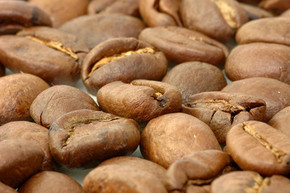
Hara (Harar) / Solar or dried (Sundried/Dry-Processed) Hara is located in the Eastern Highlands of Ethiopia (Harerge Province) and grows between 5000 and 7000 feet above sea level. It was still wild on slopes a century ago. Most of the raw beans are medium size and have long tips at both ends, with a yellowish or golden green color and strong chocolate when baking.

Characteristics of Sidamo Coffee grading system what are the grades of Ethiopian coffee beans G1 and G2
Question1: why are Ethiopian coffee beans always big and small? If you are very fond of African beans, it should be easy to find that Ethiopian beans are generally of different sizes and have significantly lower evenness than those in Kenya. Sometimes roasting appearance can be found in the observation of the same batch of coffee beans, no matter whether it is Yega Xuefei or Sidamo, whether it is washed or insolated.

Sidamo coffee beans wash Sidamo boutique coffee beans Ethiopian plateau and other places
Ethiopia is the hometown of Arabica coffee, and it is in the forests of Kaffa that you can see wild Arabica coffee. In Ethiopian, coffee is called Bun or Buna, and coffee beans (coffeebean) may be translated from Kaffa Bun. Arabica coffee was discovered early in the Harar area and is likely to come.

Coffee bean sack ingenious use of raw bean information detailed explanation of Manning coffee bean sack transformation into an one-shoulder bag
After drinking so much freshly roasted coffee, you must have received a lot of well-sealed coffee bean bags. But have you ever seen a sack with raw coffee beans? Don't underestimate these jute bags, they are by far the oldest coffee packaging material. According to the Food and Agriculture Organization of the United Nations, these sacks are 100% biodegradable, recyclable and very environmentally friendly. he

Introduction to the flavor description characteristics of Ethiopian coffee varieties with balanced flavor
Ethiopia is the hometown of Arabica coffee, and it is in the forests of Kaffa that you can see wild Arabica coffee. In Ethiopian, coffee is called Bun or Buna, and coffee beans (coffeebean) may be translated from Kaffa Bun. Arabica coffee was discovered early in the Harar area and is likely to come.